From Los Angeles to Portland to New York City, political protests have become common. That provides data for what may be happening in brains and how engaged people can avoid becoming a Tyler Robinson or Luigi Mangione or Antifa in Oregon.
The US is not special when it comes to protests, the Carnegie Endowment for International Peace says there have been over 140 mass demonstrations globally in the past year, with 30 ongoing.
A new paper(1) says up to 80% of activists experience moderate to severe anxiety or depression. Are they protesting because they are anxious or are they anxious because they spend time in a group of protesters?
Dr. Hannah Nearney, M.D., clinical psychiatrist and UK Medical Director at Flow Neuroscience, says the signs are there to see who will pivot from something like depression because they don't like current events, to the build-up on emotions that motivate some to protest.
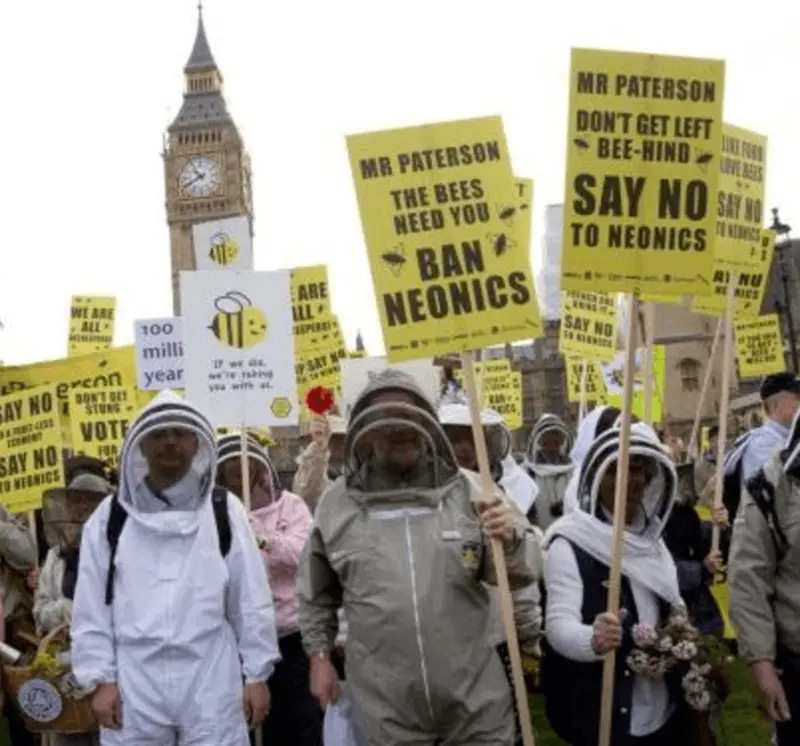
Harmless fun, unless you can't go to sleep because you are convinced science is killing you.
If so, we may learn why some become so concerned they should those whose opinions they don't like.
“It starts when our brain detects injustice, emotional processing areas such as the amygdala become activated, we experience anger, adrenaline hits the blood, and dopamine rewards the thought of doing something about it. One person’s outrage becomes another’s courage, creating a sense of unity in a crowd until frustration is suddenly a collective action,” says Dr. Nearney.
Injustice is obviously subjective. If you think a riot on January 6th was the opening of a civil war while six months of protests in Portland were just a few bad actors and not representative of a political party, it's easy to know how you vote; but also how you behave in the presence of dopamine.
But just like you can have a biological sugar crash if you eat too much candy, protesters may crash after the marching is done. As may observers. Exhaustion may follow action even if the action was physically mild, like holding up a sign. If it is more serious, like the terrorist attacks against Israel in 2023, the effects can be even worse.
Most protesters are not going to be rapists and murderers, it is usually civil engagement. Career protesters are those whose goal is to incite their opponents have a mental health issue. For everyone who just wants their voice heard, when adrenaline and dopamine drop it's important to get back into rhythm. Read a book, do anything that isn't news on your phone, go to bed. Spend time with friends who are not protesting with you. Maybe even people who don't agree with you but you know mean well.
It is more common than you think. The alternative, demonizing anyone who doesn't vote like you do or doesn't agree with you is as bizarre as hating someone because they don't like your favorite band; except far more dangerous.
(1) Citation: Chakhunashvili, K. Mental health state in activists during political turmoil. BMC Psychol 13, 1058 (2025). https://doi.org/10.1186/s40359-025-03441-1