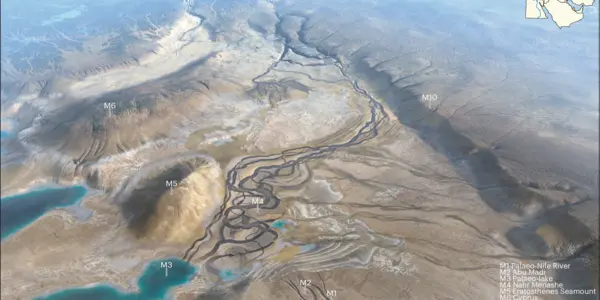
Like Civilization? Thank Tectonic Plates
Mesopotamia is Greek for “land between rivers” and indeed it sat between the Tigris and Euphrates rivers, what is now basically modern Iraq.
Mesopotamia is Greek for “land between rivers” and indeed it sat between the Tigris and Euphrates rivers, what is now basically modern Iraq.
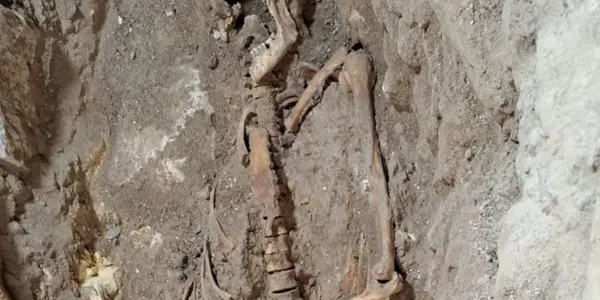
“I have lost D’Artagnan, in whom I had every confidence,” wrote King Louis XIV to his Queen Consort, Maria Theresa of Spain, after he received news that his right-hand man, Charles de Batz de...

Have you heard someone say online or in casual conversation, when responding to someone’s struggles, “well, the body keeps the score”? For many people, this phrase is a useful way to name the...

In the 1980s, universities lobbied Congress to make student loans unlimited, so everyone could get a college education and have higher earnings. Now, college is more unaffordable than ever.
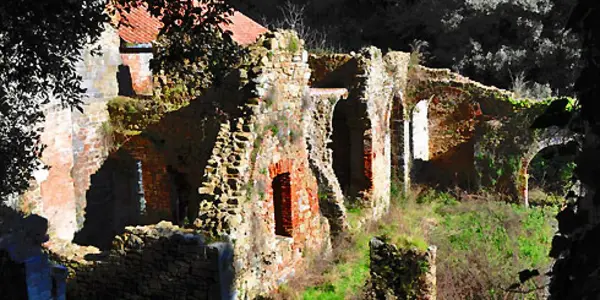
Bleeding hosts and stigmatizations are the best-known medieval miracles but less known ones, like a scorched cherry twig miraculously sprouting, a diseased swamp becoming fertile land, and healing...

A Facebook friend opined that Los Angeles protesters could “turn LA into another Portland.” I expand for you my rejoinder to his post: