
In the early days of film, the process was orthochromatic, using film that was sensitive to blue and green light but not reds. With a third of RGB gone, actors had to wear special makeup. Orange, red, tan, etc. would be so dark they were basically washed out. Actors were on set with blue lipstick and green makeup and a lot of trial and error to make it look realistic on the film.
A better affordable alternative arriving plus a new a technical demand meant orthochromatic went into history, Kodak discontinued it in 1930, but some fans really like the high contrast. The word surreal is an overused cliché and is bordering on meaningless, but that is what they say they like about.its aesthetic.
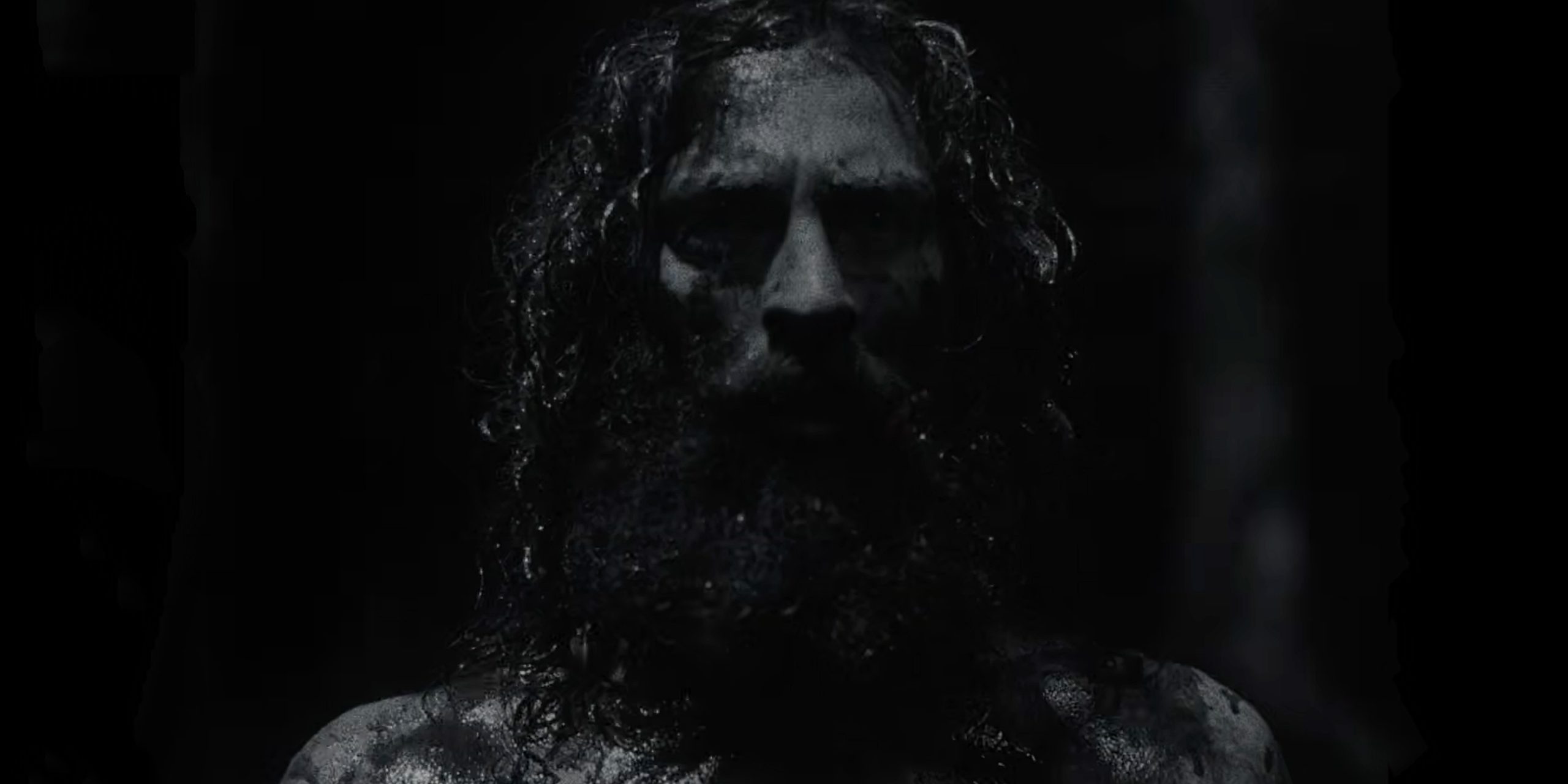
Director Robert Eggers is one of those fans. He likes the look, he used it in The Lighthouse (2019) but wisely mimicked it with a filter rather than film. Now he is back with Werwulf, and using orthochromatic again.
Why? It may be simple pretense, David Fincher mimicked it as well in 2020. He wanted a specific weathered look for the actors and A24 likes that art-house stuff. It probably didn't make much money with $18 million in box office but it didn't lose. Nosferatu, on the other hand, made a lot, at least 100% profit, so giving $50 million and letting him try orthochromatic again seems to be worth the risk. He is still wisely not using actual orthochromatic film, he used regular 35mm color film, but is doing the effect in post-production, like you can do with DaVinci Resolve.
The reasons the real thing stopped being used are easier to fathom. When films were just getting started, orthochromatic was more cost-effective to produce - a dark room with red light was enough to develop the film - while panchromatic film which could capture that reddish spectrum was chemically unstable and expensive. In 1926, Eastman-Kodak solved both of those issues. That, and the arrival of "talking" pictures, killed the orthochromatic process. Not because a film recording had anything to do with the film itself, but because of the arc lamps that were in common use. They buzzed loudly, a bad thing when they were recording conversation, so studios switched to quiet incandescent lights, but those emit the orange-red spectrum light that orthochromatic found problematic.
So it went into the dustbin. You can try to replicate the effect yourself in any photo editor, including free ones like GIMP. Turn it black and white, slide red and magenta down to 0, slide blue and cyan as high as you like to get the effect, then adjust green to get the contrast you like. Thomas Guerrero bought actual ISO 200 orthochromatic film and you can see his results.
It's nice that there are modern efforts that pay tribue to it. The trailer is below if you want to see what his fans are excited about, but to most people it is still just black-and-white.


